Among the most beloved recipes in traditional Roman cuisine, coda alla vaccinara holds a place of honor. This stew of oxtail slowly cooked with celery, tomato, white wine, lard, pine nuts, and a touch of cocoa is a true explosion of flavor, history, and character. Born in the slaughterhouses of the Testaccio neighborhood, this recipe represents the essence of the so-called quinto quarto—the popular tradition that turned the humblest parts of the animal into genuine delicacies.
Its name comes from the vaccinari, the butchers of the old Mattatoio of Rome, who received part of their pay in offal: feet, innards, and of course, tail. With ingenuity and a hunger for good food, they transformed these leftovers into a slow-cooked stew, perfumed with celery and cloves, so delicious it soon moved from the taverns of Monte dei Cocci to tables across the city.
Yes, although it was born as food for the poor, coda alla vaccinara has ended up conquering the menus of trattorias and even Rome’s finest restaurants. Every neighborhood has its version: in Trastevere they add pine nuts and raisins, some prefer to add cocoa at the very end, and there are those who use more celery than seems reasonable… but that’s the secret. Celery, “a cascoporro” (in abundance), because amid all the creaminess, it lends freshness and balance.
This is a dish that smells of history, Sundays, and patience. It is the Rome of big pots, of sauce that bubbles away for three or four hours, of kitchens where time is measured not in minutes but in spoonfuls of flavor. Here I show you my version, with all my tips to ensure it’s as creamy and tasty as the Roman original.
Contents
Watch the video with all the steps
Below you can watch the video showing every step to prepare a truly authentic and easy coda alla vaccinara.
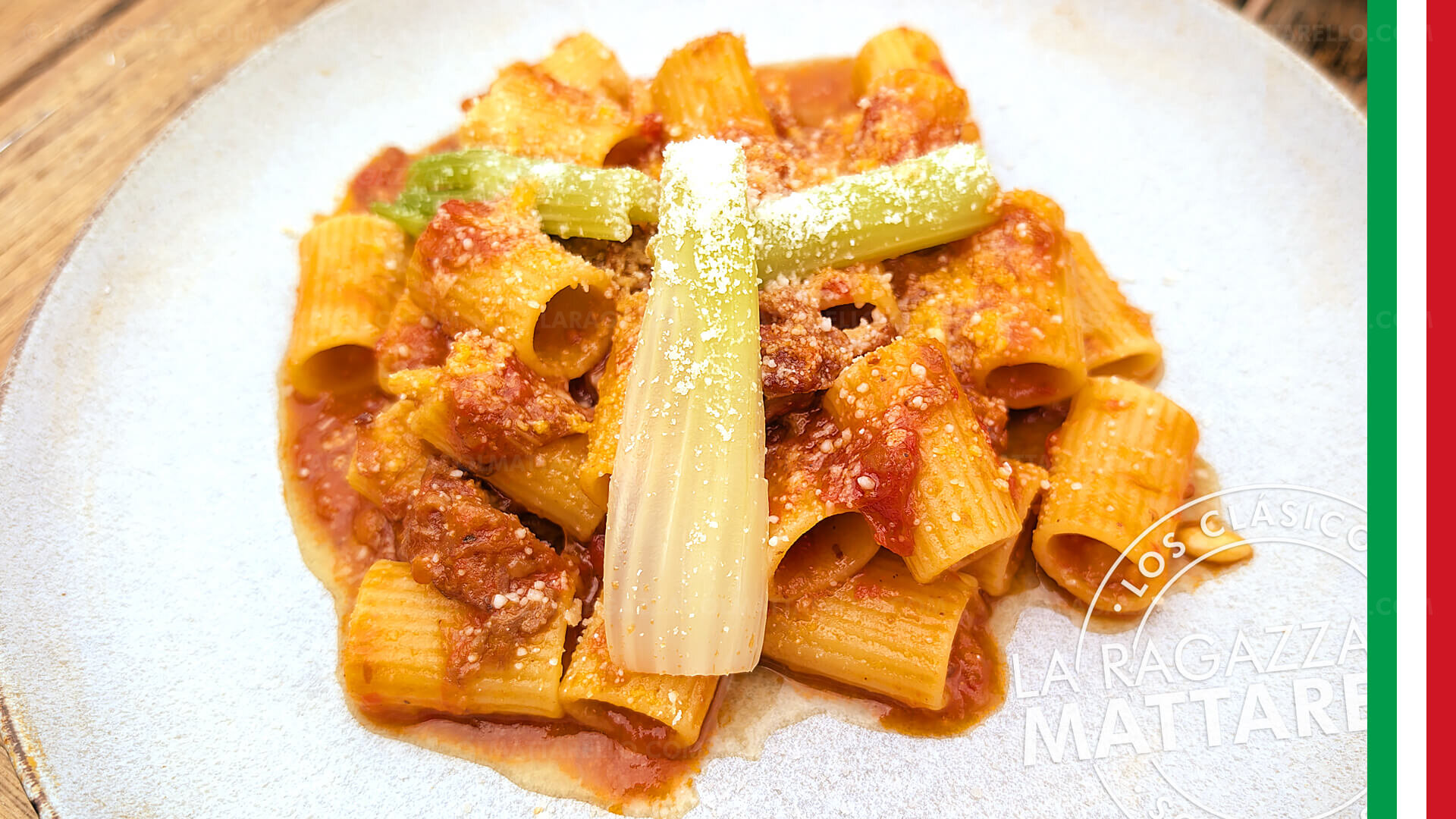
In the video, I also show you how to use the stew’s sauce to make some spectacular rigatoni alla romana: this way, you’ll have a first and second course from the same dish, just like in Rome.
And if you haven’t done so yet, I invite you to subscribe to my YouTube channel so you don’t miss any new recipes.
Don’t forget to follow me on Instagram! There, I share more recipes, tips, and special content for Italian cuisine lovers.

Main ingredients
Serves 2–3 people
⏱ Prep time: 20 min
⏱ Cooking time: 3–4 h
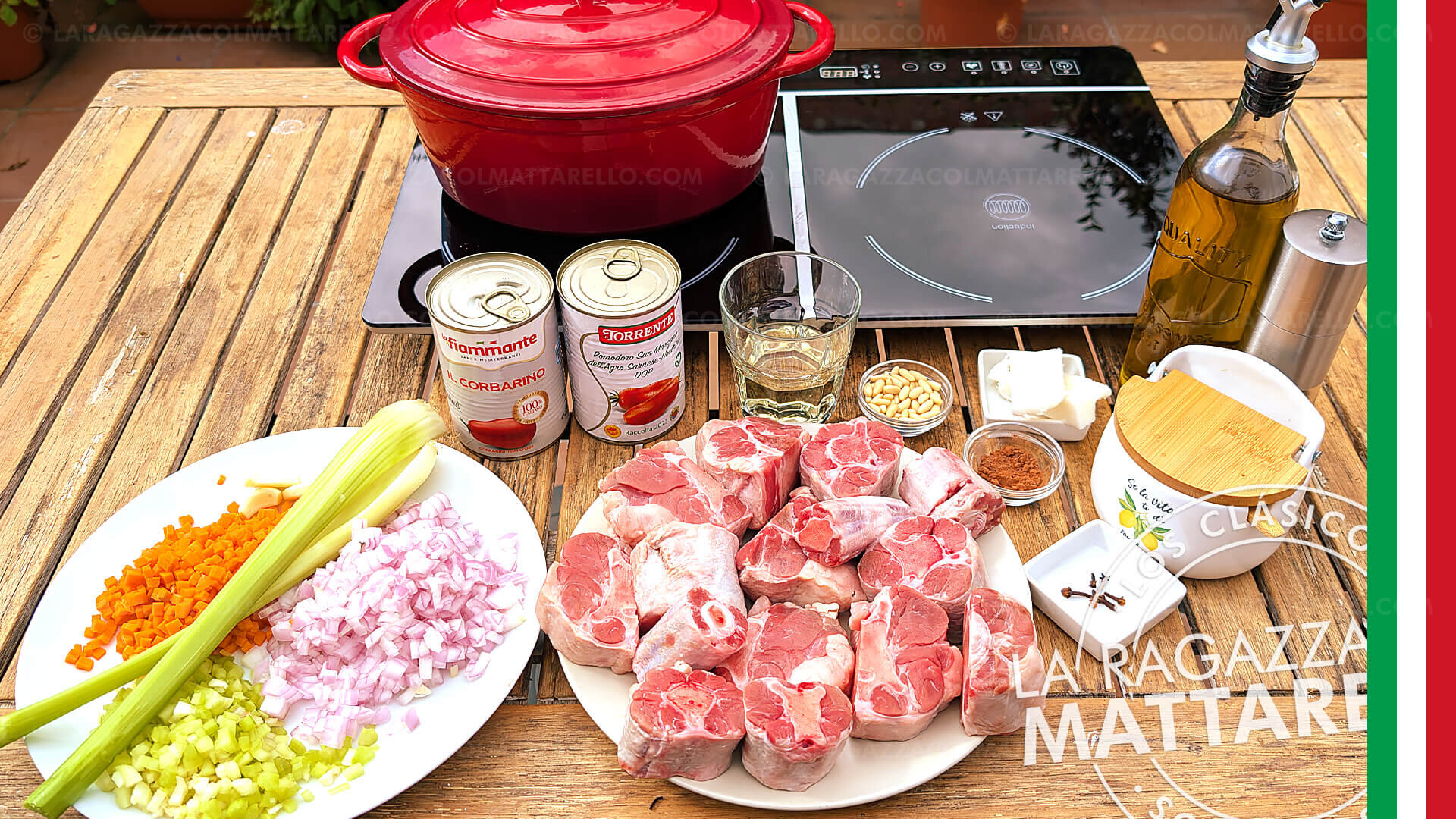
- 1 oxtail (1.2–1.5 kg, cut into pieces)
- 1 medium onion, chopped
- 2 medium carrots, chopped
- 1 celery stalk, chopped + 2 more for the final touch
- 2 garlic cloves
- 3 cloves (the spice)
- 1–2 teaspoons pure cocoa powder
- 20 g pine nuts
- 800 g tomatoes, preferably San Marzano, whole, tinned
- 3 tablespoons extra virgin olive oil
- 1/2 glass dry white wine
- 2 tablespoons lard
- Freshly ground black pepper
- Salt
- Water or stock, as needed
Reminder: at the end of this article you’ll find the complete recipe card with detailed times and steps.
How to prepare Coda alla Vaccinara step by step
1. Clean and prep the oxtail
Before cooking, soak the oxtail in very cold water for about 20–25 minutes, changing the water a couple of times. This removes excess blood. Then pat dry with a kitchen towel and set aside.
2. Sauté the Italian base
In a large saucepan, melt the lard together with the olive oil. Add the finely chopped onion, carrot, and one celery stalk, plus the garlic. This trio, the “trito italiano”, is the backbone of half the country’s cooking.
3. Brown the meat in batches
Add the oxtail pieces and sear them on all sides. Don’t move them much: let a golden crust form, this gives lots of flavor. Do it in two or three batches if needed.
4. Deglaze with white wine
Once all the meat is browned, gather everything back in the pot and add the white wine. Scrape the bottom well to gather the caramelized juices. Let the alcohol evaporate: when it no longer smells of wine, you’re ready for the tomato.
5. Add tomatoes and cook slowly
Pour in the chopped or tinned tomatoes and enough water or stock to just cover the meat. Add salt, pepper, and the cloves. Cover and let the stew simmer for 3–4 hours on very low heat, until the meat falls off the bone.
6. The final touch: cocoa and pine nuts
About half an hour before the end, mix the cocoa powder with a bit of the stew liquid to dissolve it, then stir it into the pot. Add the pine nuts and stir gently. This gives the coda alla vaccinara its deep color and unforgettable, rich flavor.
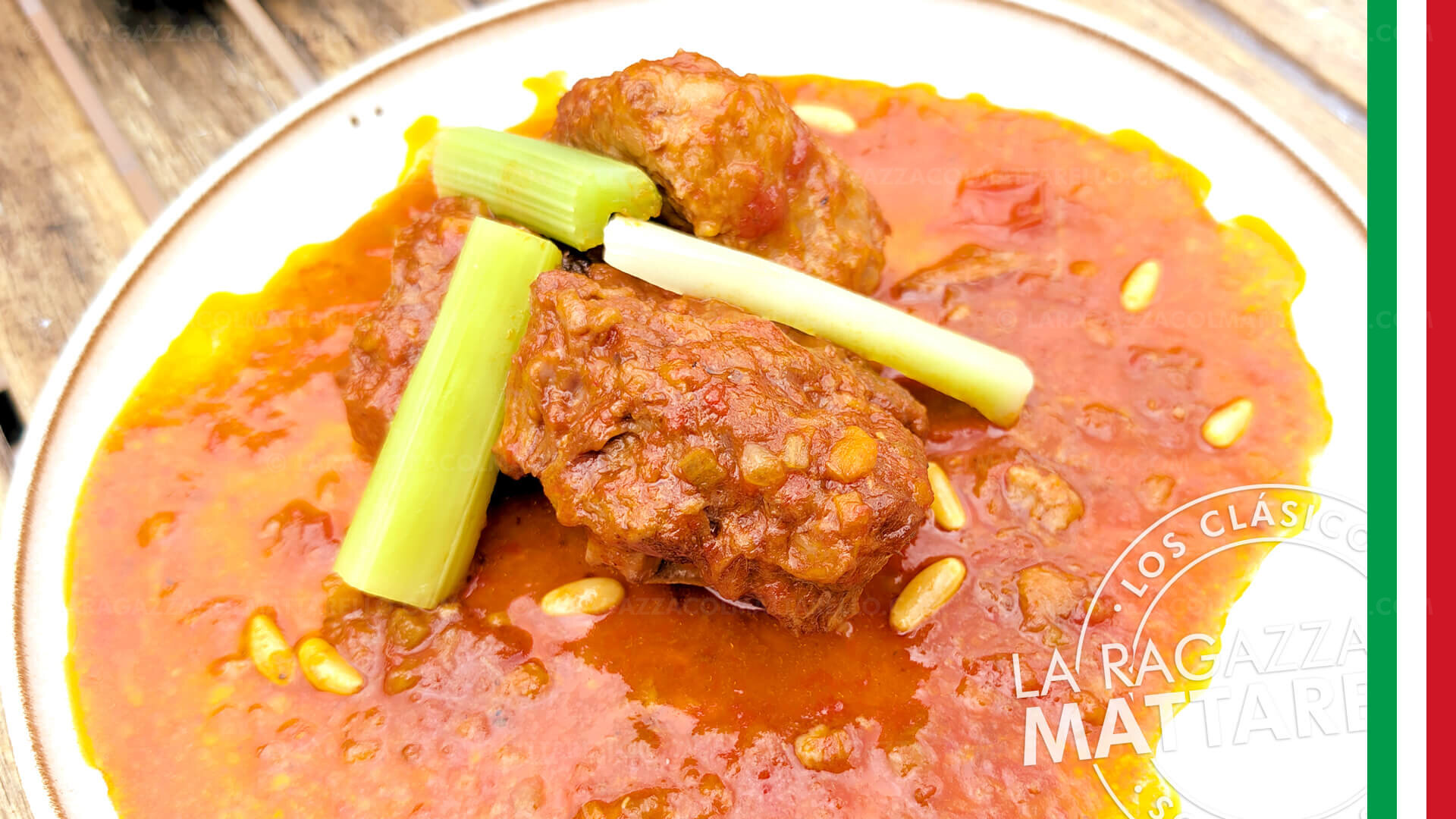
7. The “fresh” celery
Boil the reserved celery stalks for a minute in salted water. Drain and add them to the dish just before serving. Their crisp freshness balances the luscious richness of the stew.
Tips and tricks for a perfect result
Don’t rush
Time is the secret. The meat needs hours over a slow flame. If you rush, it will be tough and won’t release its natural gelatin.
Lard + oil: the Roman balance
Lard gives depth and flavor; oil adds fragrance and lightness. You can use either, but together they are perfect.
Mandatory resting
This stew improves overnight. If possible, cook it the day before and reheat it: the flavors concentrate and it becomes pure pleasure.
Rigatoni with the sauce
In Rome, nothing goes to waste: on Sunday the oxtail is served as the main dish and, with the sauce, you make rigatoni with Pecorino—a sinful delight. Two dishes in one!
Frequently Asked Questions
Can I substitute lard?
Yes. You can use only extra virgin olive oil, although the flavor will be slightly less intense. The mixture of both is the most traditional.
Can I use bull tail instead?
Absolutely. The recipe works just as well and is even tastier. The important thing is to cook it slowly.
When do I add the cocoa and pine nuts?
In the last 30 minutes of cooking. This way they don’t become bitter and integrate better into the sauce.
Why is celery added at the end?
Because it brings freshness and a crunchy contrast. In the original recipe, celery is inside the stew, but this modern version also uses it at the end.
Can I make Coda alla Vaccinara in advance?
Of course! In fact, it’s even better the next day. It keeps for 2–3 days in the fridge and its flavor intensifies.
Related recipes you’ll love
- Ossobuco alla Milanese: tender meat, gremolata, and risotto—a refined treat from northern Italy.
Enjoy your Coda alla Vaccinara!
A dish that tells the story of Rome with every bite: bold, luscious, with that hint of cocoa and clove that makes it unforgettable.
Prepare it calmly, let time work its magic, and then let me know how it turned out for you.
If you enjoyed this recipe, subscribe to my YouTube channel and follow me on Instagram to discover more authentic Italian dishes.
I’d love to see your photos and your own versions!
Buon appetito!
The latest video recipes from my channel!

The card
Coda alla vaccinara
Ingredients
- 1 oxtail 1.2–1.5 kg, cut into pieces
- 1 medium onion chopped
- 2 medium carrots chopped
- 1 celery stalk chopped + 2 more for the final touch
- 2 garlic cloves
- 3 cloves spice
- 2 teaspoons pure cocoa powder
- 20 g pine nuts
- 800 g whole canned tomatoes preferably San Marzano
- 3 tablespoons extra virgin olive oil
- ½ glass dry white wine
- 2 tablespoons lard
- Salt and freshly ground black pepper
- Water or stock as needed
Instructions
- Soak the oxtail in very cold water for 20–30 minutes, changing the water several times to remove any blood. Pat dry thoroughly with a towel.
- In a large casserole, melt the lard with the olive oil and brown the pieces of meat in batches until sealed on all sides. Remove and set aside.
- In the same pot, sauté the onion, carrot, celery, and garlic until tender and lightly golden.
- Return the meat to the pot, season with salt and pepper, and pour in the white wine. Let the alcohol evaporate.
- Add the crushed tomatoes and a little water or stock until the meat is just covered. Add the cloves and mix well.
- Cover and cook over very low heat for 3–4 hours, stirring occasionally. If it dries out too much, add a bit more water.
- With 30 minutes remaining, mix a spoonful of the stew liquid with the cocoa powder to dissolve, then add it to the pot with the toasted pine nuts.
- Boil the reserved celery stalks in salted water for 1 minute and add them to the stew at the end for freshness.
- Let the coda rest for at least an hour before serving, or even better, overnight: the flavors will become more intense.
Notes
Cocoa balances the fat and enhances the tomato flavor—don’t skip it.
The slower it’s cooked, the more tender the meat will be.
You can serve the sauce with rigatoni and meat as a second course, just like in Rome.
Keeps perfectly 2–3 days in the fridge and only gets better with resting.