


There are days when the clock runs faster than we do and, as evening falls, the energy to cook disappears. However, there is no reason to give up on a quality dinner.
Índice
This chicken breast recipe is what we in Italy consider a top-tier “dinner saver”: a dish that, with barely four basic ingredients, achieves a balance of flavors worthy of a restaurant. According to search trends at the start of this year, the chicken recipe remains the preferred option in Spanish households for its versatility and speed.
This lemon chicken is not just a grilled breast; it is a simple technique to achieve juicy meat wrapped in a velvety and aromatic sauce. It is, in essence, what we always call a “fine thing.” Daje!, let’s put on our aprons.
Watch the video with all the steps
If you want to see exactly how to achieve that creamy texture in the sauce, don’t miss the step-by-step video of this easy recipe.
>And if you haven’t done so yet, I invite you to subscribe to my YouTube channel so you don’t miss any new recipes.
Don’t forget to follow me on Instagram! There I share more tricks and the day-to-day life of my kitchen with an Italian accent.
Ingredients for a perfect lemon chicken
For 2 people
⏱ Preparation time: 5 min
⏱ Cooking time: 10 min
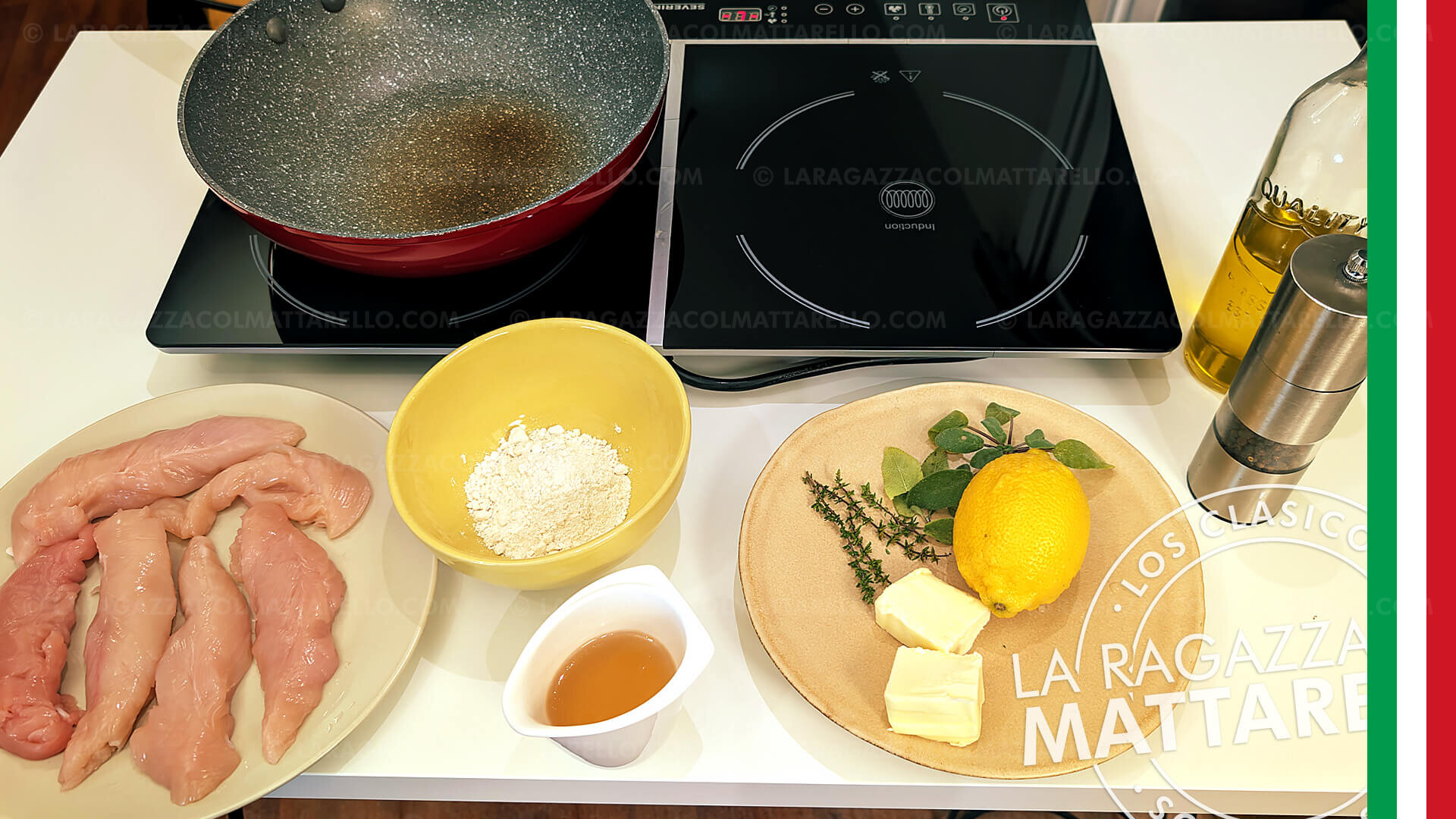
- 400 g chicken breast (preferably in thin fillets)
- 40 g butter
- A splash of extra virgin olive oil
- 40 g wheat flour (about 5 level tablespoons) or cornstarch for celiacs
- Salt and black pepper to taste
- Fresh herbs: sage and thyme
- Zest and juice of ½ lemon (approximately 20 ml)
- 50–80 ml mild chicken broth or hot water
Remember: At the end of the article, you will find the complete recipe card with detailed cooking and preparation times.
How to prepare the lemon chicken
Dredging and searing
The first step for this chicken breast recipe to be a success is the treatment of the meat. To achieve this, we coat the fillets in flour or cornstarch and shake them gently to remove any excess. This will create a very thin film that will protect the meat during cooking and, subsequently, help the sauce emulsify naturally.
The aroma of butter and herbs
In a wide skillet, we melt the butter along with a splash of olive oil. This combination is pure technique: the oil raises the smoke point and prevents the butter from burning, maintaining that characteristic milky flavor. We add the fresh sage and thyme to infuse the fat with aroma before introducing the chicken. We sear the fillets over medium-high heat until they acquire a slightly golden tone on both sides.
The citrus emulsion
Once the chicken is seared, we incorporate the lemon juice and the broth (or water). It is vital to zest the lemon beforehand, making sure to use only the yellow part to avoid the bitterness of the white part. The flour coating the chicken will mix with the liquids, creating a thickened and shiny sauce. We lower the heat and let everything integrate for a couple of minutes, basting the fillets with the sauce itself until they are perfectly cooked and tender.
Tricks to make your chicken recipe unforgettable
The importance of balance
A common mistake is using only lemon juice, which can be too aggressive for the palate. By diluting it with a little mild broth, we achieve a much more elegant and balanced sauce that enhances the flavor of the chicken without masking it.
Gluten-free alternative
As we mentioned in the video, cornstarch is a fantastic ally. Not only does it make the recipe suitable for those with gluten intolerance, but it also tends to leave the sauce a bit more transparent and light, a detail highly appreciated in professional cooking.
Frequently Asked Questions
Can I use other aromatic herbs?
Of course! Although sage and thyme are the Italian classics for this recipe, rosemary or even fresh parsley go wonderfully with it.
Why is oil added to the butter?
Olive oil has a higher smoke point than butter. By mixing them, we prevent the butter from darkening and making the dish bitter.
Can I prepare this recipe in advance?
It is best enjoyed freshly made to maintain the juiciness of the breast. However, if you need to reheat it, do so over very low heat, adding a tablespoon of water to recover the texture of the sauce.
Related recipes you will love
If you liked this quick proposal, don’t miss these classics:
- Chicken Cacciatore: The great classic of chicken main courses in Italy, with rosemary and a touch of vinegar.
- Creamy lemon pasta: If you have leftover lemon, this pasta is the fastest and most elegant way to enjoy its aroma in just 15 minutes.
- Saltimbocca alla Romana: Shares with our chicken the technique of butter and fresh sage. An essential bite of Lazio cuisine.
- Roman-style chicken with peppers: Another delicious and traditional way to prepare chicken that never fails at a Roman table.
This chicken recipe is proof that you don’t need to complicate things to eat luxuriously. If you try it, tell me in the comments how that touch of lemon turned out for you.
Subscribe to my channel and Instagram for more Italian secrets. Bon appétit!
The latest video recipes from my channel!
The card
Lemon Chicken: the easiest and fastest chicken breast recipe
Ingredients
- 400 g chicken breast or fillets
- 40 g butter
- 1 a splash of extra virgin olive oil
- 40 g flour or cornstarch
- Salt to taste
- Black pepper to taste
- Fresh sage
- Fresh thyme
- Juice of half a lemon
- Zest of half a lemon
- 80 ml hot water or mild broth
Instructions
- Dredge the chicken fillets in flour
- Shake to remove excess flour
- Heat the butter and oil in the pan
- Add the fresh sage and thyme
- Cook the chicken until golden brown on both sides
- Zest the lemon, avoiding the white pith
- Add the lemon juice and hot broth
- Stir so the flour thickens the sauce
- Cook for a couple of minutes over low heat
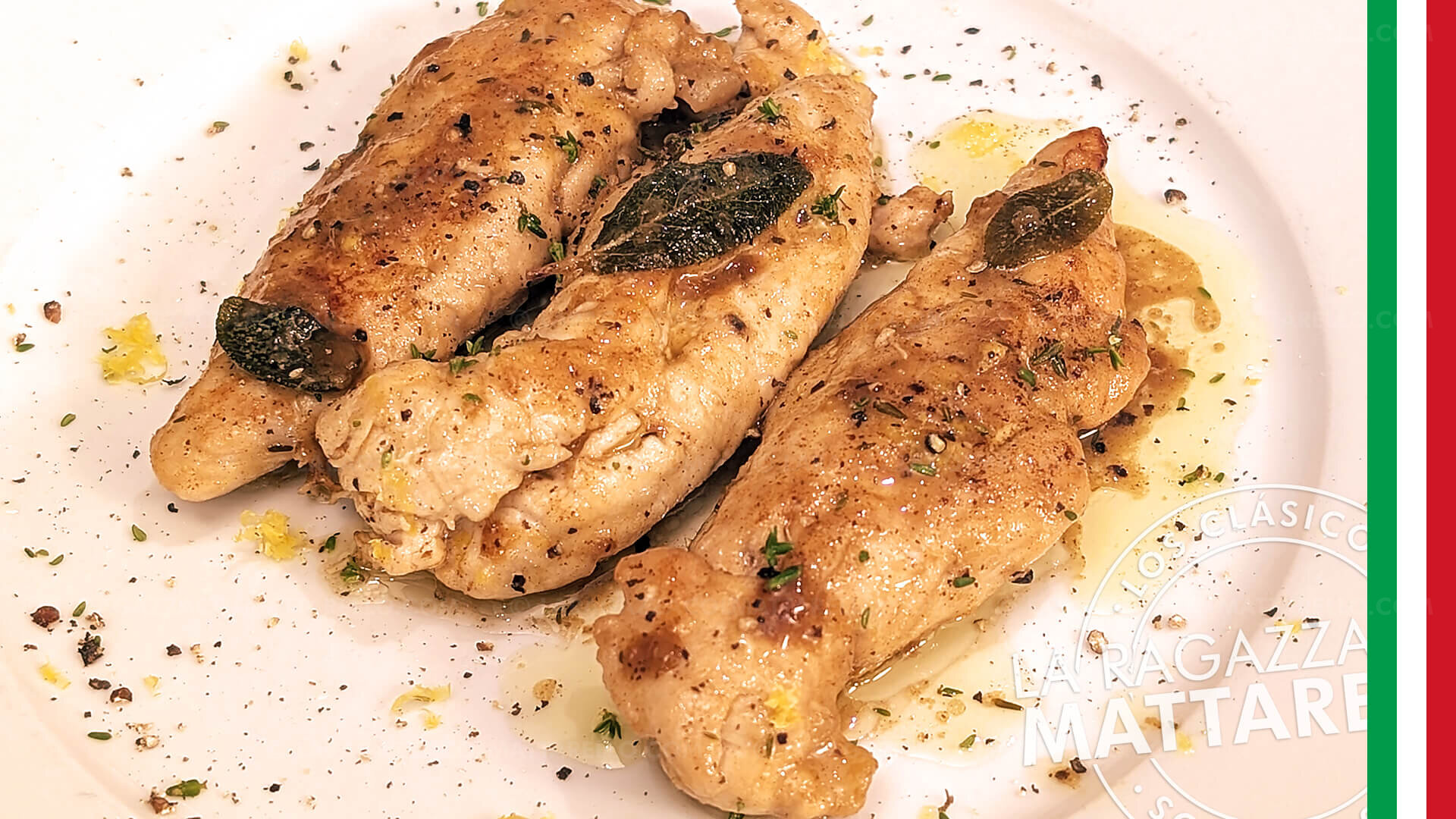
- Serve with black pepper and more fresh herbs
Notes
Use cornstarch for a gluten-free option and a glossier sauce
nDo not use only lemon to avoid an overly strong flavor
nThe oil prevents the butter from burning when browning the chicken
nAdd more broth if you prefer a less thick sauce.
Video
